

- Remover of Worries
Chintaman Ganesh Mandir Ujjain
Ujjain’s most revered Ganesha temple, where Lord Ganesha is worshipped as Chintaman in a Swayambhu form with Riddhi and Siddhi.
- About the Temple
Where Every New Beginning Starts
Chintaman Ganesh Mandir is Ujjain’s most revered Ganesha temple. It sits at Jawasiya, about 7 km from the city, on the Ujjain–Fatehabad railway line. Lord Ganesha is worshipped here as Chintaman, the one who takes away worries, in a Swayambhu (self-manifested) form with Riddhi and Siddhi.
Families come before weddings, exams, house-warmings and new businesses, and many offer their first wedding invitation card here before giving it to anyone else. The District Ujjain administration describes the idol as ancient and self-created.
- Main deity: Lord Ganesha as Chintaman, with Riddhi and Siddhi
- Location: Jawasiya, Ujjain, MP 456006
- Known for: the first wedding card custom and Chaitra Wednesdays
- Temple at a Glance
Chintaman Ganesh Mandir at a Glance
Main Deity
Lord Ganesha as Chintaman, with his consorts Riddhi and Siddhi
Location
Jawasiya, Ujjain, Madhya Pradesh 456006
Distance
About 7 km from Ujjain city, on the Ujjain–Fatehabad railway line
Famous For
The Swayambhu idol and offering the first wedding card to Ganesha
Busiest Days
Wednesdays, especially in Chaitra month, and Ganesh Chaturthi
Entry & Time
General darshan is free. Allow 30–45 minutes on an ordinary day
- The Deity
Meaning of “Chintaman” and the Swayambhu Idol
The name comes from chinta, meaning worry. Chintaman Ganesh, also called Chintaharan, is the form of Ganesha believed to free devotees from worldly worries. Devotees pray here for peace of mind, clarity in decisions and a smooth start to whatever they are beginning.
The main idol is believed to be Swayambhu: it appeared on its own and was not carved by human hands. Riddhi (prosperity) and Siddhi (accomplishment) are seated with him, and the idol is usually decorated in bright red-and-gold shringar with rose and marigold garlands.
Three forms of Ganesha
Some temple accounts describe three forms worshipped together in the sanctum:
- Chintaman: who removes worry
- Ichhaman: who fulfils wishes
- Siddhivinayak: who grants success
Names and explanations differ slightly between local accounts, so ask the priests to explain the arrangement.
- History & Legends
History of Chintaman Ganesh Temple
The temple is considered very old. Madhya Pradesh Tourism highlights the carved pillars of its assembly hall as a heritage feature from the Paramara era.
The Ramayana stories are treasured devotional traditions rather than recorded history, and they are a big part of why the temple feels so personal to visitors.

The Temple Through the Ages
Ramayana tradition
Local tradition says Lord Rama, Sita and Lakshmana stopped here during their exile and the shrine was established then. Some accounts say Sita herself established it.
Lakshman Baori
A step-well near the temple is linked with the story of Lakshmana shooting an arrow into the ground to bring out water for Sita.
Paramara period
The finely carved stone pillars of the mandap are attributed to the Paramara dynasty, who ruled Malwa from about the 9th to the 13th century.
Today
The complex has been repaired and extended over the centuries, and recent development works have added better facilities for devotees.
- Customs
The First Wedding Card and Other Customs
- The first wedding invitation: before giving cards to relatives, families place the first card before Chintaman Ganesh and invite him to the wedding. The district administration records this custom.
- New beginnings: people visit before starting a business, buying a vehicle or home, joining a new job or sitting an exam.
- Sankalp and mannat: devotees make a personal vow and return to give thanks when their prayer is answered. Follow the priests’ guidance.
- Wednesday darshan: Wednesday (Budhvar) is Ganesha’s day, so the temple is busier every Wednesday.
Festivals
- Chaitra Jatra: every Wednesday of Chaitra month (usually March–April) brings large crowds and a fair-like atmosphere.
- Ganesh Chaturthi: special shringar, bhog and long queues (August–September).
- Sankashti and Vinayaki Chaturthi: fasting devotees often visit in the evening.
- Wedding season: more families arrive with invitation cards.
- Official Timings
Darshan and Aarti Timings
These timings are from the official temple website. They can change on festivals and special days.
Temple Opens
5:00 AM
Come early on a weekday for a calm darshan.
Chola Aarti
7:00 AM
The morning aarti with the deity’s shringar.
Bhog Aarti
7:30 PM
The evening bhog offering to Ganesha.
Shayan Aarti
9:30 PM
The temple closes at 10:00 PM.
Allow 30–45 minutes on an ordinary day, and much longer on Chaitra Wednesdays and Ganesh Chaturthi.
- What to Offer
What to Offer at Chintaman Ganesh
Puja baskets are sold near the entrance. Hand over offerings as the temple staff direct, and keep the area free of plastic and flower waste.
- Modak or laddoos: Ganesha’s favourite bhog
- Durva grass: a sacred offering to Ganesha
- Red flowers: devotion and auspicious prayer
- Sindoor: traditional Ganesha worship
- Coconut and fruit: surrender and gratitude
- Your wedding card: keep it with your puja basket and the priest will guide you
- Book Your Puja
Begin Your New Chapter with Ganesha’s Blessings
Starting something new or planning a puja for your family? Pt. Ravi Joshi and the Ujjain Puja Seva team arrange Navgraha Shanti Puja, Rudrabhishek or Mangal Dosh Puja before a wedding. Dakshina is confirmed before booking (₹501 – ₹51,000 depending on the puja).
- How to Reach
How to Reach Chintaman Ganesh Temple
The temple is on the south-western edge of Ujjain. A small station on the Ujjain–Fatehabad line is named after it, but services are limited, so most visitors go by road.
From City Centre
About 7 km
Auto, e-rickshaw, taxi or your own vehicle. Parking is available.
From Mahakaleshwar
About 7–8 km
Taxi or auto, about 20–30 minutes.
From Ujjain Junction
About 7–8 km
Auto or taxi from outside the station.
From Indore Airport
About 55–60 km to Ujjain
Visit on the way to or from Indore.
- Explore Sacred Ujjain
Plan Your Ujjain Temple Route
Chintaman Ganesh is away from the central temple cluster. Visit it at the start or end of the day rather than crossing the city back and forth.
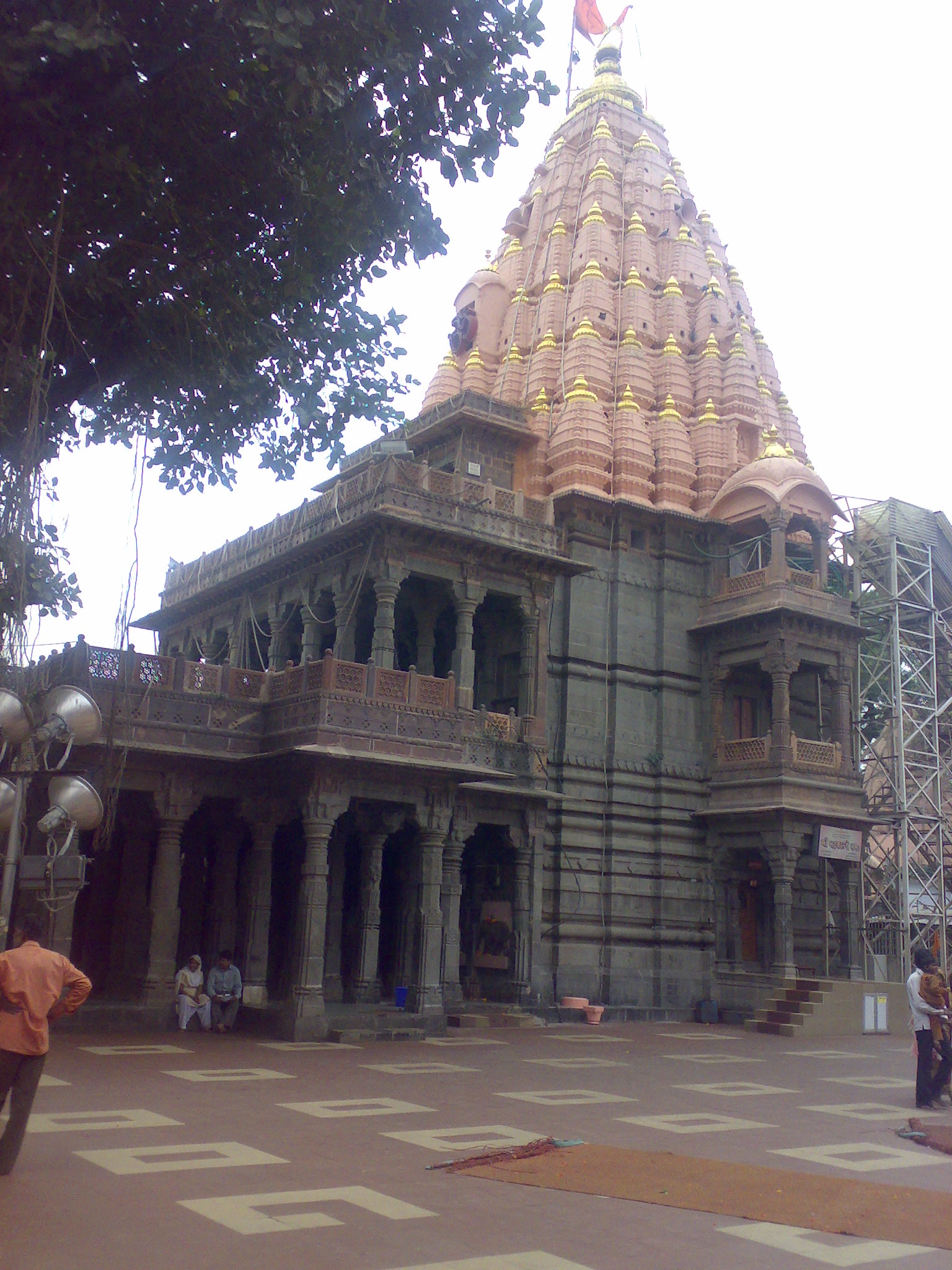
Mahakaleshwar Jyotirlinga
The heart of every Ujjain yatra.
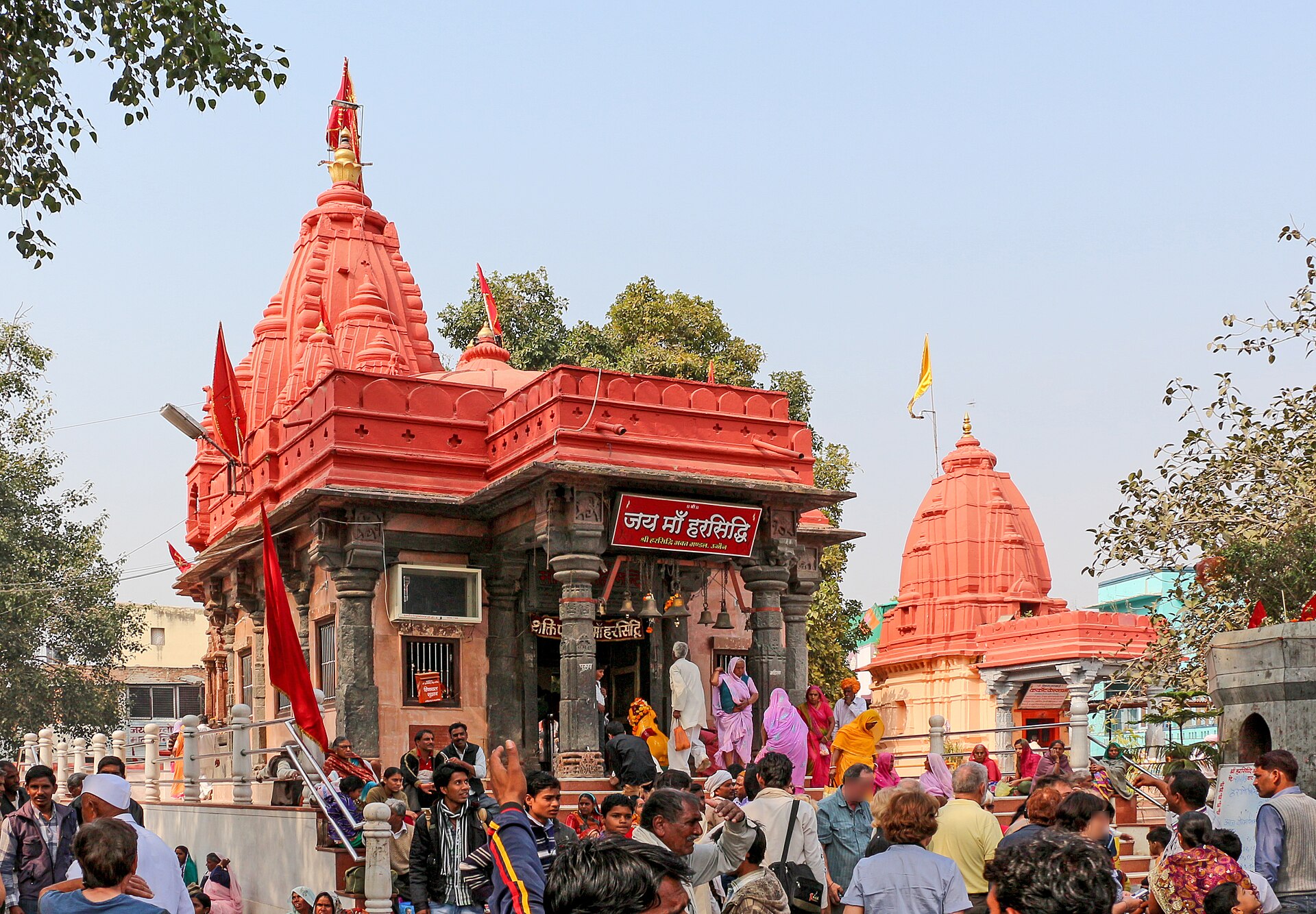
Harsiddhi Mata Mandir
A revered Shakti temple, a short walk from Mahakaleshwar.
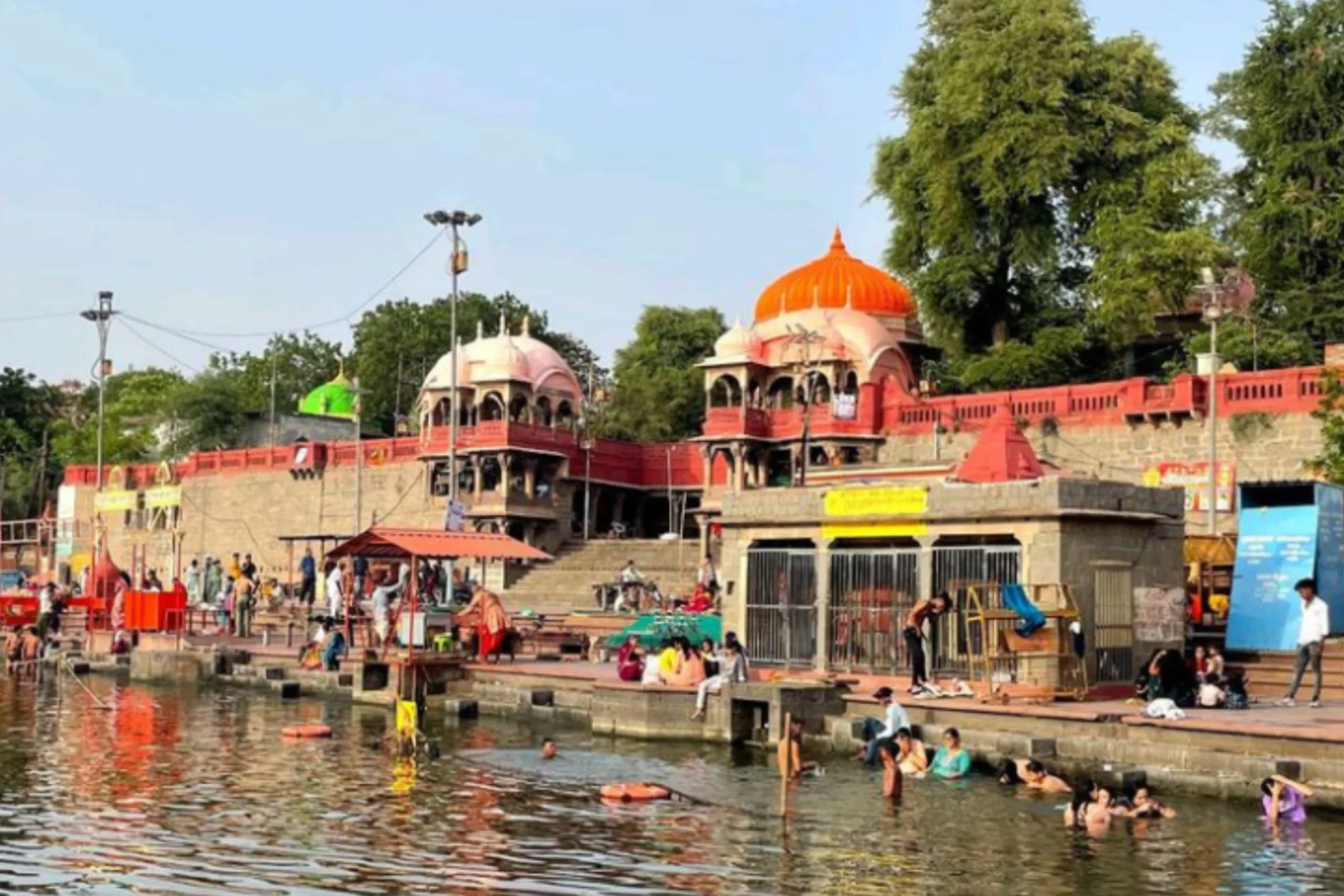
Ram Ghat on the Kshipra
The sacred ghat known for snan, aarti and rituals.
Want a ready route? See our Ujjain temple tour itineraries for one-day and two-day plans.
- Before You Visit
Tips Before You Visit
- Dress modestly and remove footwear at the stand near the entrance.
- If you are bringing a wedding card, keep it with your puja basket.
- Wednesdays in Chaitra are very crowded. Carry water and keep children close.
- Do not touch or climb on the old carved pillars.
- Ask before taking photos or videos, especially near the sanctum.
- FAQs
Chintaman Ganesh Mandir Ujjain FAQs
Where is Chintaman Ganesh Mandir located?
It is at Jawasiya, about 7 km from Ujjain city, on the Ujjain–Fatehabad railway line (PIN 456006).
Why is it called Chintaman Ganesh?
“Chinta” means worry. Chintaman Ganesh is the form of Lord Ganesha believed to remove worries and anxieties.
Is the Chintaman Ganesh idol Swayambhu?
Yes. Devotees and the district administration describe the idol as Swayambhu (self-manifested). Riddhi and Siddhi are seated with Lord Ganesha.
What are the Chintaman Ganesh aarti timings?
The temple website lists Chola Aarti at 7:00 AM, Bhog Aarti at 7:30 PM and Shayan Aarti at 9:30 PM. The temple is open from 5:00 AM to 10:00 PM.
Why do people offer the first wedding card to Chintaman Ganesh?
It is a long-standing local custom to invite Lord Ganesha to the wedding first, so that the marriage and its ceremonies go smoothly.
Which day is best for darshan?
Wednesday is Lord Ganesha’s day and is considered most auspicious, but it is also the busiest. For a quiet darshan, visit early on another weekday.
Is there an entry fee?
No. General darshan is free. Confirm any special puja charges directly with the temple.
Is Chintaman Ganesh the same as Bade Ganesh?
No. Bade Ganesh Ji Mandir is a different temple near Mahakaleshwar, known for its huge Ganesha idol. Chintaman Ganesh is about 7 km outside the city at Jawasiya.
Sources: District Ujjain, places of interest; official Chintaman Ganesh temple website (timings and address); Madhya Pradesh Tourism. Legends are presented as traditional belief. Last reviewed 7 November 2026.