

- Sacred Banyan on the Shipra
Siddhvat Mandir Ujjain
A revered siddha place on the Shipra in Bhairavgarh, centred on a sacred banyan tree and known for Shraddha, Pind Daan, Tarpan and other ancestral rites.
- About the Temple
Ujjain’s Paapmochan Teerth
Siddhvat Mandir, also written as Siddhavat or Siddhwat, is a revered pilgrimage site on the banks of the Shipra River in the Bhairavgarh area of Ujjain. It centres on a sacred banyan tree (Vat Vriksha), with a ghat and spaces used for worship and traditional rites.
The District Ujjain administration describes Siddhvat, about 5 km from the city, as a famous siddha place and a paapmochan teerth (a place that purifies sins). Sadhus of the Nath tradition worship here, and families come from across India to perform rites for their ancestors.
- Sacred focus: the Vat Vriksha (banyan tree) on the Shipra
- Location: Bhairavgarh / Ganesh Nagar area, Ujjain 456003
- Known for: Shraddha, Pind Daan, Tarpan and Tripindi Shraddha
- The Sacred Tree
The Vat Vriksha of Siddhvat
The district administration refers to Puranic traditions in which Goddess Parvati planted this banyan tree and worshipped it. It ranks Siddhvat alongside India’s other famous sacred banyans, such as Akshay Vat at Prayag and the sacred trees of Gaya, Mathura-Vrindavan and Nashik.
The tree’s long importance is also on record: the 1961 District Census Handbook for Ujjain describes a famous banyan on the Shipra bank east of Bherugarh and notes the local belief that it had remained unchanged for over a thousand years. That is a record of belief rather than a scientific dating of the tree.
In Hindu tradition the banyan stands for longevity, continuity and spiritual protection. Please do not cut, tie tightly, scratch or otherwise damage its branches, roots or trunk.

- Ancestral Rites
Pitru Karma at Siddhvat
Siddhvat is especially known for rites performed for ancestors. The district administration notes that Shraddha, Pind Tarpan, Pind Daan, Kaal Sarp Shanti and Tripindi Shraddha are traditionally considered especially beneficial here.
Families usually come with a priest and perform the ceremony according to their family customs and the ritual calendar, often followed by a visit to the ghat. Before you begin, confirm the ceremony, materials, duration and dakshina with the priest. Spiritual benefits are matters of faith, not guaranteed outcomes.
Rites performed here
- Shraddha
- Pind Daan and Pind Tarpan
- Tarpan at the Shipra
- Tripindi Shraddha
- Kaal Sarp Shanti
- Plan Your Visit
Darshan and Ritual Timings
The district administration does not publish a fixed timetable, and independent listings differ. Use these for planning only.
Early Morning
Best for rituals
Most Pitru rites are performed in the morning.
Ritual Bookings
Arrange in advance
Speak to an authorised priest before your visit.
Pitru Paksha
Very busy
Expect large numbers of families.
Amavasya
Busier than usual
Plan extra time for parking and queues.
If you are planning Shraddha, Pind Daan, Tarpan or another ceremony, contact an authorised priest in advance and clarify the full procedure and charges.
- Book Your Puja
Book Pitra Dosh Puja and Ancestral Rites in Ujjain
Pt. Ravi Joshi and the Ujjain Puja Seva team guide families through Pitra Dosh Puja, Kaal Sarp Dosh Puja and related rites with proper Vedic vidhi, explaining each step and the samagri needed. Dakshina is confirmed before booking (₹501 – ₹51,000 depending on the puja).
- How to Reach
How to Reach Siddhvat Mandir
Siddhvat is in the Bhairavgarh area on the road beyond Kal Bhairav. On Pitru Paksha and busy dates, allow extra travel time and follow parking instructions.
From Ujjain City
About 5 km
Auto or taxi towards Bhairavgarh.
From Ujjain Junction
About 6–7 km
Auto or taxi to Siddhvat Ghat.
From Kal Bhairav
A short drive
Siddhvat lies beyond Kal Bhairav on the same road.
From Indore Airport
About 55–60 km to Ujjain
Taxi or bus to Ujjain, then local transport.
- Explore Sacred Ujjain
Temples Near Siddhvat
Siddhvat is part of the Bhairavgarh and Mangalnath side of Ujjain, so it combines easily with these temples.

Kal Bhairav Mandir
The temple of Ujjain’s guardian, the Kotwal of the city.
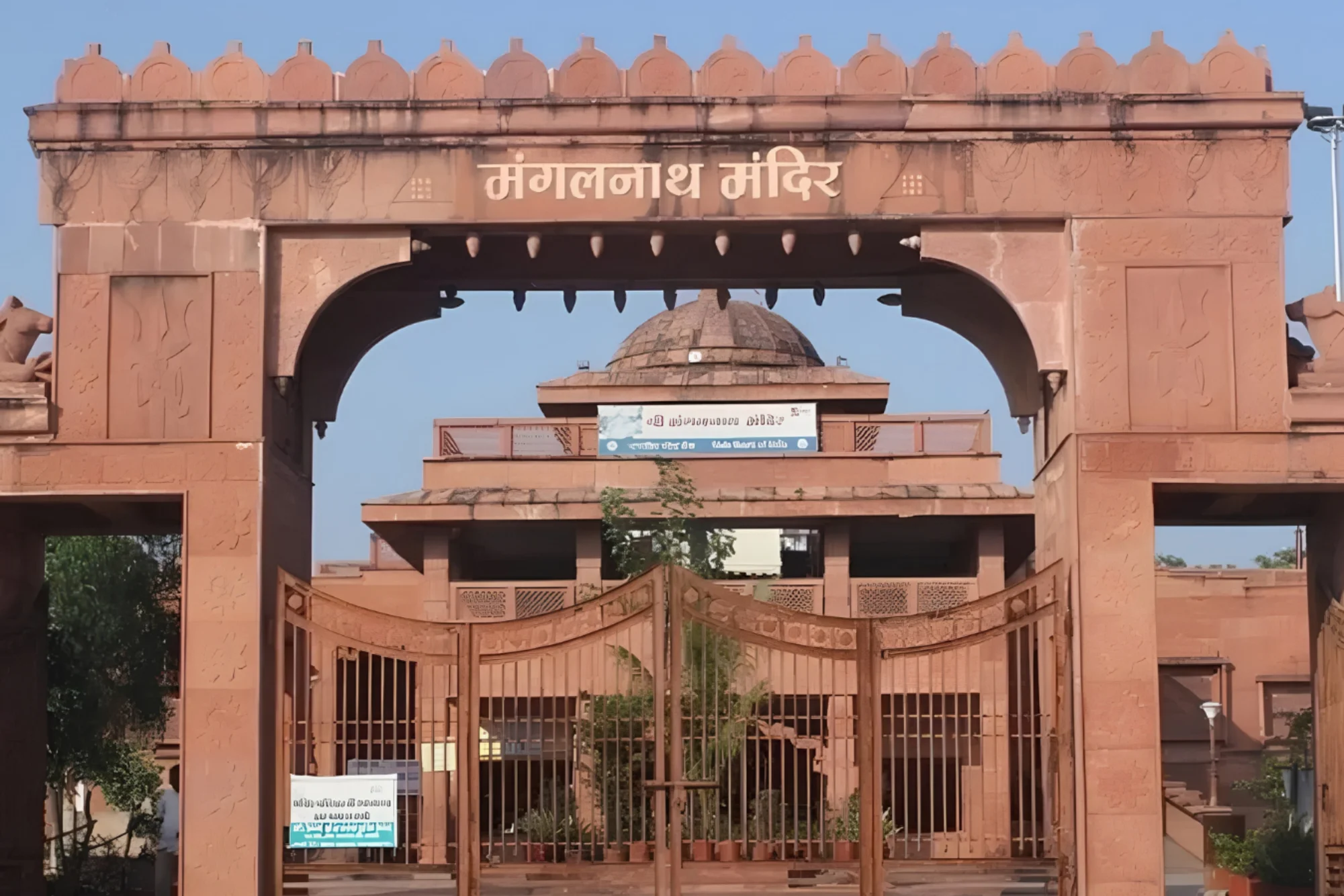
Mangalnath Mandir
Revered for Mangal Dosh shanti and Bhat puja.

Sandipani Ashram
Where Lord Krishna, Balarama and Sudama studied under Guru Sandipani.
Want a ready route? See our Ujjain temple tour itineraries for one-day and two-day plans.
- Before You Visit
Tips Before You Visit
- If you are coming for an ancestral rite, speak to the priest beforehand about items, duration and charges.
- Carry drinking water and wear comfortable footwear for the ghat steps.
- Be careful on wet or uneven steps, especially in the monsoon.
- Respect ongoing ceremonies and ask before photographing families or rituals.
- Do not leave plastic or wrapped flowers at the riverbank.
- FAQs
Siddhvat Mandir FAQs
What is Siddhvat Mandir famous for?
Its sacred banyan tree on the Shipra River and traditional ancestral rites such as Shraddha, Pind Daan and Tarpan.
Where is Siddhvat located?
In the Bhairavgarh / Ganesh Nagar area of Ujjain, on the banks of the Shipra River, about 5 km from the city.
What is the religious importance of the banyan tree?
The Vat Vriksha symbolises longevity and spiritual continuity. Local Puranic tradition says Goddess Parvati planted and worshipped this tree.
Which rituals are performed at Siddhvat?
Shraddha, Pind Daan, Pind Tarpan, Tripindi Shraddha and Kaal Sarp Shanti, depending on family custom and priestly guidance.
What are the darshan timings?
No fixed official schedule is published. Confirm access and ritual timings locally.
When is Siddhvat especially busy?
During Pitru Paksha and on Amavasya dates considered auspicious for ancestral rites.
Why is Siddhvat called a paapmochan teerth?
The district administration describes it as a famous siddha place and paapmochan teerth, a place believed to purify sins.
Can Ujjain Puja Seva help with Pitra Dosh Puja?
Yes. See our Pitra Dosh Puja page or contact us with your preferred date.
Sources: District Ujjain, places of interest; District Census Handbook, Ujjain (1961). Timings are not officially published; confirm locally. Religious beliefs are presented as tradition, not guaranteed outcomes. Last reviewed 7 November 2026.