

- Siddhapeeth of Ujjain
Gadkalika Mata Mandir Ujjain
One of Ujjain’s most ancient temples, dedicated to Goddess Kalika. Tradition holds that the poet Kalidas received the gift of knowledge from Maa here.
- About the Temple
Ujjain ki Kalika
Gadkalika Mata Mandir is one of Ujjain’s most ancient temples. It is dedicated to Goddess Kalika and famous as the place where the Sanskrit poet Kalidas is believed to have received the Goddess’s blessing. It stands in the old Bhairavgarh area near the Bhartrihari Caves, about 4 km from the city.
Maa Gadkalika is worshipped as a form of Goddess Kali, the fierce, protective form of the Divine Mother who destroys negativity and fear. The name is usually explained by gadh (fort), because the temple stands in the old fortified part of ancient Ujjayini. It is also written as Garh Kalika or Gadhkalika.
- Main deity: Maa Kalika (Gadkalika), a form of Goddess Kali
- Location: old Bhairavgarh area, near the Bhartrihari Caves
- Known for: the Kalidas legend, Siddhapeeth status and Navratri
- Temple at a Glance
Gadkalika Mata Mandir at a Glance
Main Deity
Maa Kalika (Gadkalika), a form of Goddess Kali
Location
Old Bhairavgarh area of Ujjain, near the Bhartrihari Caves
Distance
About 4 km from the city and about 5 km from Ujjain Junction
Famous For
The Kalidas legend and its status as one of Ujjain’s Siddhapeeths
Main Festival
Chaitra Navratri (March–April) and Sharad Navratri (September–October)
Entry & Time
General darshan is free. Allow 20–40 minutes on an ordinary day
- The Legend
How Maa Gadkalika Made a Poet
Kalidas is India’s most celebrated Sanskrit poet and dramatist, the author of Abhijnanashakuntalam, Meghadutam, Kumarasambhavam and Raghuvamsham, and is closely linked with Ujjain and the court of King Vikramaditya.
The popular story says that as a young man Kalidas had no learning at all. Through a trick he was married to a highly learned princess, often named Vidyottama, who rejected him when she discovered the truth. Hurt and determined, Kalidas turned to Maa Kali with complete devotion. Pleased, the Goddess blessed him with knowledge and the gift of poetry.
Ujjain tradition holds that it was this very idol of Maa Gadkalika that Kalidas worshipped, and the district administration records this belief. It is a cherished legend rather than a proven historical record.
Why students and artists visit
Because of the Kalidas story, students preparing for exams, writers, poets, musicians and artists come here to pray for wisdom, clear speech and creativity.
- Students often bring a pen or books for Maa’s blessing. Ask the priest before placing anything in the sanctum.
- Ujjain honours the poet every year with the Akhil Bharatiya Kalidas Samaroh, a festival of Sanskrit drama, music and literature.
- History & Significance
History of Gadkalika Temple
No one knows exactly when worship began here. The stages below are the temple’s broad timeline rather than exact construction records, since precise dates vary between sources.
Religious significance
Devotees come to Maa Gadkalika for protection, courage, freedom from fear and the well-being of their families. The District Ujjain administration describes Gadkalika as one of the 12 Siddhapeeths, places where worship is believed to bring spiritual results quickly.
Some local traditions also call it a Shakti Peetha. Shakti Peetha lists differ between texts and regions, so the safest description is a deeply revered Shakti shrine and Siddhapeeth of Ujjain.
The Temple Through the Ages
Ancient origins
The idol is believed to be far older than the present building, and temple tradition links the site with the Mahabharata age and earlier.
7th century
According to Incredible India (Ministry of Tourism), Emperor Harshavardhana (606–647 CE) renovated the temple.
Paramara period
The temple was renovated again under the Paramara rulers of Malwa.
Modern period
The present structure took shape under the former Gwalior (Scindia) state.
- Inside the Temple
What You Will See
- The approach: a stone lion, the Goddess’s vahana, guards the entrance.
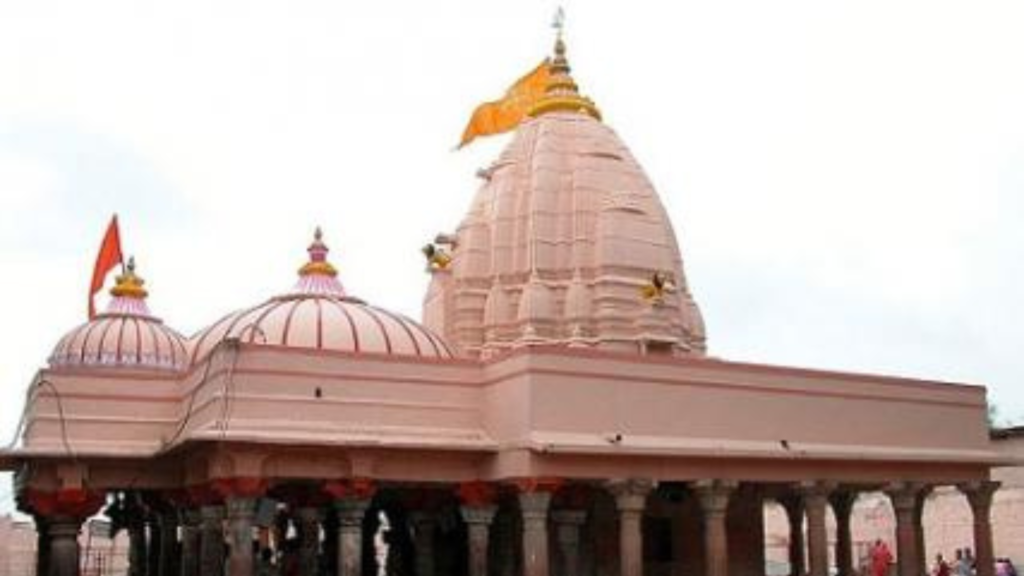
- The temple building: a tall, layered shikhara rises above smaller domes and a pillared hall in soft pink tones.
- The sanctum: the stone idol of Maa Kalika is painted in saffron (sindoor), with large eyes and a silver crown.
- The mantra: above the doorway is the Navarna mantra, “Aim Hreem Kleem Chamundayai Vichche Namah.”
- Other deities: idols of Lord Vishnu, Hanuman and Ganesha in the complex.
- Plan Your Darshan
Darshan Timings
The temple does not publish an official schedule online, and timings differ between visitor guides. Use these for planning only.
Temple Opens
Around 6:00 AM
Early weekday mornings are the calmest.
Morning Aarti
Early morning
Ask locally for the exact time on your visit day.
Evening Aarti
Around sunset
A lovely time to visit, but busier.
Temple Closes
Around 9:00 PM
Hours may be extended during Navratri.
Tuesdays, Fridays, Sundays, Ashtami and both Navratris are busier. Allow extra time and follow the queue and security arrangements.
- Festival
Navratri at Gadkalika Mata Mandir
Navratri is the biggest time of year here. During Chaitra Navratri (March–April) and Sharad Navratri (September–October), the temple is decorated with lights and flowers and the Goddess receives a new shringar each day. Special aartis and havans are held, and thousands of devotees queue from early morning.
Ashtami and Navami are the busiest days. Allow extra time, follow the queue and security arrangements, and expect traffic restrictions in the old city lanes.
Navratri at a glance
- Chaitra Navratri: March–April
- Sharad Navratri: September–October
- Daily new shringar for the Goddess
- Special aartis and havans
- Busiest days: Ashtami and Navami
- What to Offer
What to Offer at Gadkalika Temple
Puja material is sold outside the temple. Follow the priests’ instructions, as accepted offerings can vary on special days.
- Red chunri: traditional offering to the Goddess
- Coconut: surrender and auspicious prayer
- Red flowers or a garland: devotion to Maa
- Sindoor and a diya: traditional Shakti worship
- Incense: purity and reverence
- Sweets: bhog offered to the Goddess
- Book Your Puja
Plan Your Puja Seva with Maa’s Darshan
Pt. Ravi Joshi and the Ujjain Puja Seva team arrange Vedic pujas such as Navgraha Shanti, Kaal Sarp Dosh Puja and Mangal Dosh Puja. Dakshina is confirmed before booking (₹501 – ₹51,000 depending on the puja).
- How to Reach
How to Reach Gadkalika Mata Mandir
The lanes near the temple are narrow, so larger vehicles may need to park a short walk away. Distances depend on your route.
From Mahakaleshwar
About 3–4 km
Auto or e-rickshaw, depending on route.
From Ujjain Junction
About 5 km
Auto or taxi, about 15–20 minutes.
From City Centre
About 4 km
Auto, e-rickshaw or taxi.
From Indore Airport
About 55–60 km to Ujjain
Taxi or bus to Ujjain, then local transport.
- Explore Sacred Ujjain
Combine Gadkalika with Nearby Temples
Gadkalika is part of the Bhairavgarh cluster with the Bhartrihari Caves, Siddhvat and Sandipani Ashram, so you can cover several sacred sites in one morning or afternoon.

Kal Bhairav Mandir
The temple of Ujjain’s guardian (Kotwal), a few minutes’ drive away.
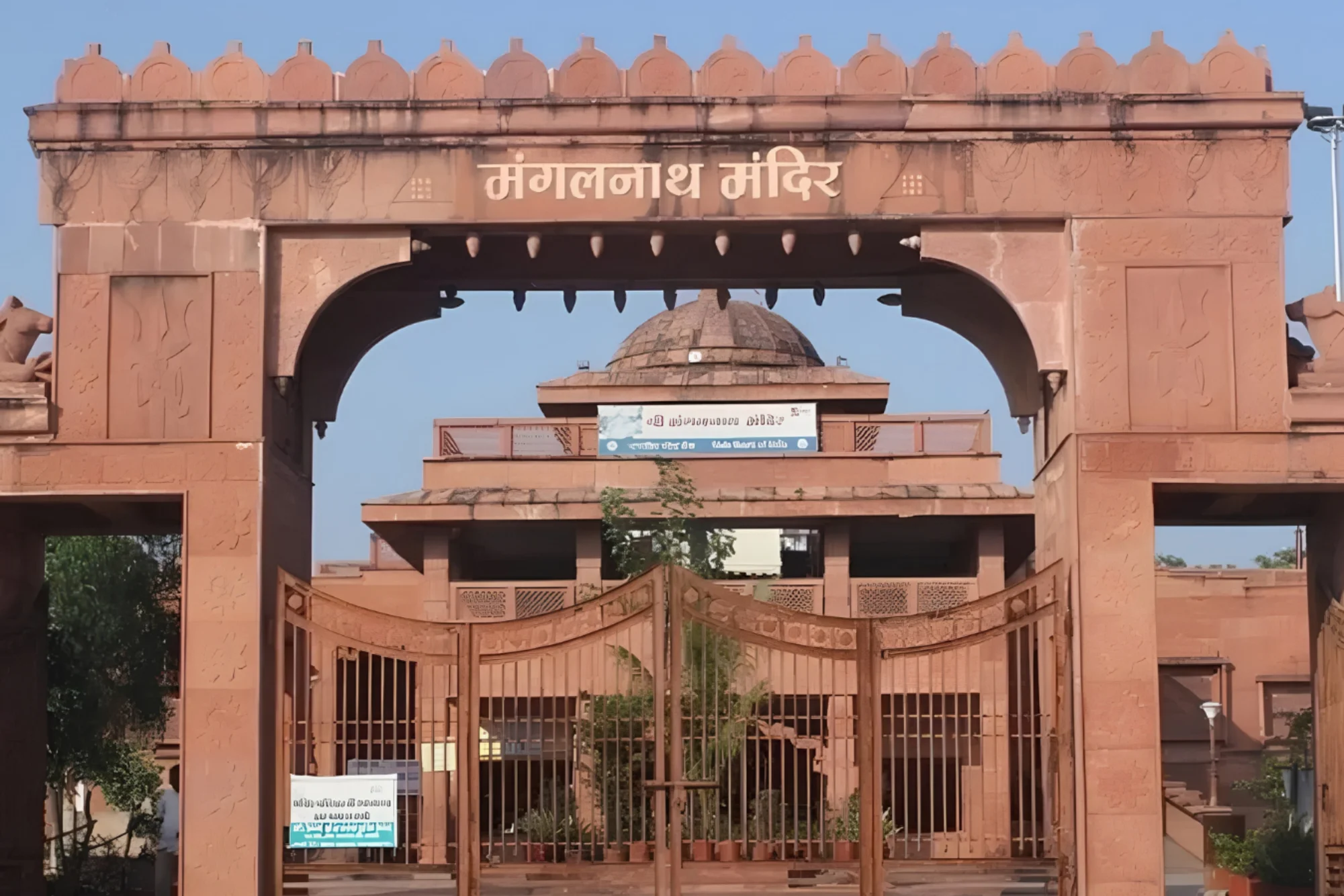
Mangalnath Mandir
Revered by devotees for Mangal Dosh shanti and Bhat puja.
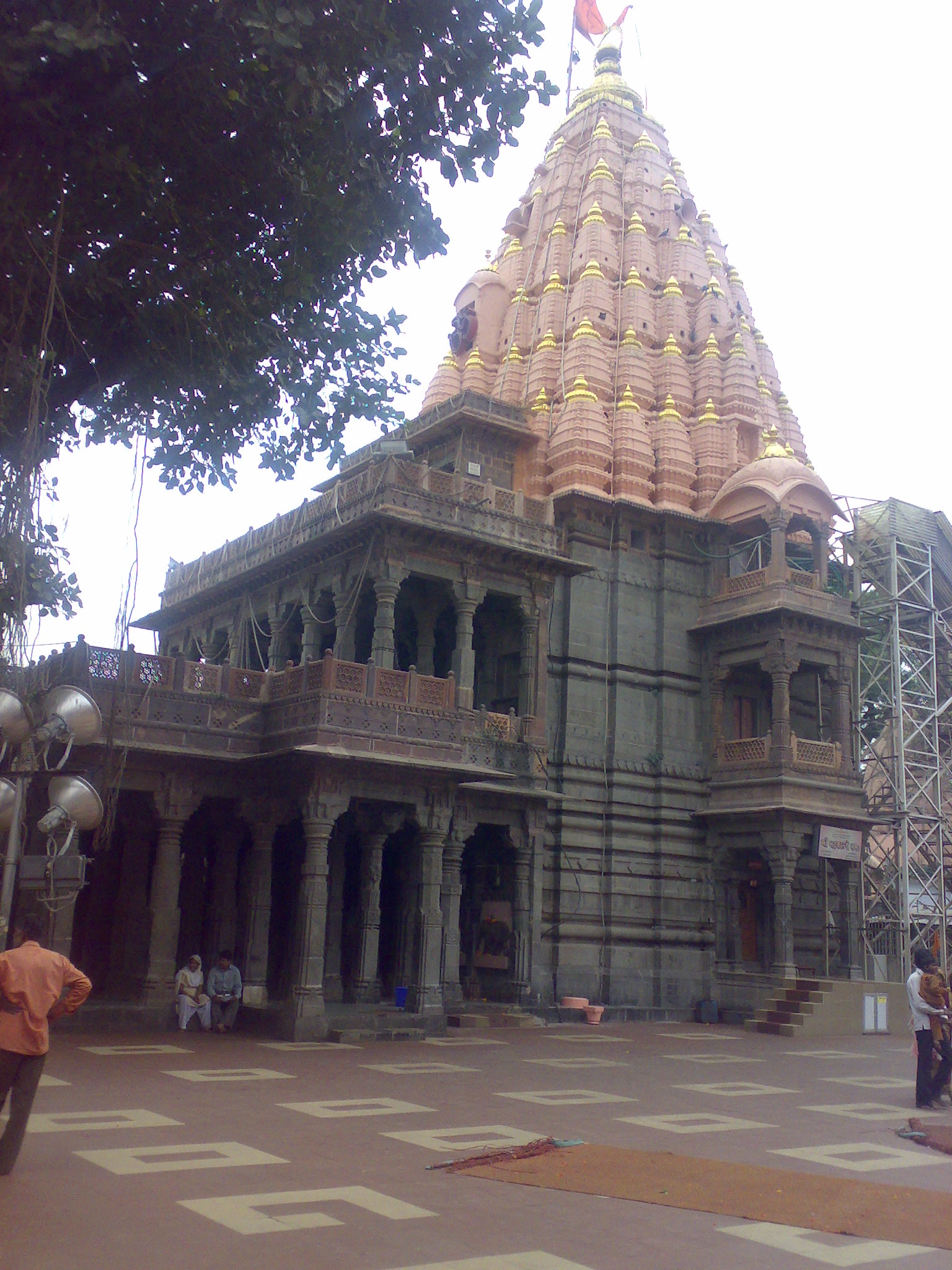
Mahakaleshwar Jyotirlinga
The heart of every Ujjain yatra, back in the central temple area.
Want a ready route? See our Ujjain temple tour itineraries for one-day and two-day plans.
- Before You Visit
Tips Before You Visit
- Wear modest clothing and remove footwear where instructed.
- Photography inside the sanctum may be restricted. Ask first.
- Combine your visit with the Bhartrihari Caves and Kal Bhairav to save travel time.
- During Navratri, carry water and keep children close in the queues.
- October to March is the most comfortable season for sightseeing in Ujjain.
- FAQs
Gadkalika Mata Mandir Ujjain FAQs
Where is Gadkalika Mata Mandir in Ujjain?
It is in the old Bhairavgarh area of Ujjain, near the Bhartrihari Caves, about 4 km from the city and about 5 km from Ujjain Junction.
Which goddess is worshipped at Gadkalika?
Goddess Kalika, a form of Maa Kali, worshipped here as Maa Gadkalika.
What is the connection between Kalidas and Gadkalika Mata?
According to Ujjain tradition, Kalidas worshipped this idol of Maa Kali with deep devotion and received the blessing of knowledge and poetry, which made him India’s greatest Sanskrit poet.
Is Gadkalika a Shakti Peetha?
The district administration lists Gadkalika as one of the 12 Siddhapeeths. Some local traditions also call it a Shakti Peetha, but Shakti Peetha lists differ between texts.
What are the Gadkalika Mandir timings?
Visitor guides commonly list about 6:00 AM to 9:00 PM, with morning and evening aarti. Confirm locally, especially during Navratri.
When is the best time to visit?
Early morning on a weekday is calmest. Navratri is the most festive time but also the most crowded.
Is there an entry fee?
No. General darshan is free.
Which places are near Gadkalika Mata Mandir?
The Bhartrihari Caves, Kal Bhairav Mandir, Siddhvat, Mangalnath Mandir and Sandipani Ashram are all on the same side of Ujjain.
Sources: District Ujjain, places of interest; Incredible India, Gadkalika Temple. Timings are commonly published visitor information, not an official schedule. Legends are presented as traditional belief. Last reviewed 7 November 2026.