- Kotwal of Ujjain
Kal Bhairav Mandir Ujjain
The temple of Lord Kal Bhairav, the fierce, protective form of Lord Shiva and the guardian of Mahakal’s city. It stands in Bhairavgarh near the Kshipra and is famous for its madira bhog tradition.
- About the Temple
The Guardian of Mahakal’s City
Kal Bhairav Mandir in Bhairavgarh, Ujjain, is the temple of Lord Kal Bhairav, the fierce, protective form of Lord Shiva honoured as the Kotwal (guardian) of Ujjain. It sits near the Kshipra River, roughly 4–6 km from central Ujjain, and many pilgrims visit it on the same day as Mahakaleshwar darshan.
“Kal” means time, and Bhairav is the form of Shiva who protects devotees and removes fear. Kal Bhairav is the chief of the eight Bhairavs (Ashta Bhairav), and the District Ujjain administration lists this temple among the eight famous Bhairav sites. Families, pilgrims, sadhus and tourists come here to pray for protection, courage and relief from obstacles.
- Main deity: Lord Kal Bhairav, a fierce form of Lord Shiva
- Location: Bhairavgarh, Ujjain, near the Kshipra River
- Known for: the Kotwal of Ujjain and the madira bhog tradition
- Temple at a Glance
Kal Bhairav Mandir at a Glance
Main Deity
Lord Kal Bhairav, the fierce form of Lord Shiva and chief of the Ashta Bhairav
Location
Bhairavgarh, Ujjain, Madhya Pradesh, near the Kshipra River
Distance
About 4 km from the city centre and 5–6 km from Mahakaleshwar by road
Famous For
The Kotwal of Ujjain, madira bhog and the Maratha-style pagdi on the deity
Main Festival
Kal Bhairav Ashtami, which falls on Tuesday, 1 December 2026
Entry & Time
General darshan is free. Allow 30–60 minutes on an ordinary day
- History & Belief
Why Kal Bhairav Is the Kotwal of Ujjain
A kotwal was the chief guard of an old Indian city. Ujjain is believed to be ruled by Lord Mahakal, and in local belief Kal Bhairav guards the city and its devotees on Mahakal’s behalf. That is why devotees call him the Kotwal of Ujjain.
Many pilgrims visit Kal Bhairav after Mahakaleshwar Jyotirlinga darshan, seeing it as “reporting” to the city’s guardian. Some believe the yatra feels complete only after this visit. It is a devotional custom, not a strict rule.
The temple walls once carried Malwa-style paintings, of which only traces remain. The surrounding Bhairavgarh area, known for its block printing, takes its name from the temple.
The Temple Through the Ages
Puranic mention
The temple is described in the Avanti Khand of the Skanda Purana, the part of the text about the sacred sites of Ujjain (Avantika).
King Bhadrasen
Tradition credits the earliest temple to a king named Bhadrasen. The present structure stands on the remains of that older shrine.
Paramara period
Images of Shiva, Parvati, Vishnu and Ganesha from the Paramara era (about the 9th–13th centuries) have been found at the site.
Maratha restoration
Local tradition says Mahadji Scindia offered his pagdi to Kal Bhairav after the Third Battle of Panipat (1761) and later restored the temple. The pagdi on the deity follows that tradition.
- A Unique Tradition
The Madira Bhog Tradition and the 2025 Liquor Rules
Kal Bhairav Mandir is famous across India for one unusual offering: liquor, known as madira bhog. The custom comes from the old tantric way of worshipping Bhairav.
The devotee hands the bottle to the priest, who pours some into a saucer and lifts it to the deity’s lips. As the saucer tilts, the liquor seems to disappear, and part of the bottle is usually returned as prasad. For devotees this is a living miracle. Watch respectfully and do not ask to inspect the idol.
What changed in 2025
From 1 April 2025, Madhya Pradesh banned liquor sales in 19 religious towns and areas, including Ujjain city. News reports at the time said:
- The two liquor counters near the temple were closed, and no shop sells liquor nearby.
- The madira bhog tradition was not stopped. The temple committee handles the arrangement.
- Officials warned of action if the allowance is misused, for example for resale.
Visitor note
Liquor is never compulsory. Flowers, coconut, sindoor, a diya, incense and sweets are all accepted with the same devotion. If you want to offer madira bhog, ask the temple office about the current arrangement first, and follow the law and the priests’ instructions.
- The Legend
The Story of Lord Kal Bhairav
The Puranic story tells of a time when Lord Brahma and Lord Vishnu argued about who was supreme. When Brahma spoke with arrogance, Lord Shiva appeared as Bhairav and cut off Brahma’s fifth head.
To be freed from the sin of that act, Bhairav wandered with the skull in his hand until he reached Kashi, where it finally fell away. That is why Kal Bhairav is also called the Kotwal of Kashi. Devotees read the story as a lesson that pride is always humbled and dharma is protected.

Architecture You Will Notice
- A tall stone gateway with arched windows and Maratha-era detailing
- A deepmalika (lamp tower) near the entrance, lit on festival nights
- A courtyard where devotees gather before entering the sanctum
- The deity’s face coated in vermilion and silver, topped with the pagdi
- Plan Your Darshan
Darshan Timings and Aarti
Published timings differ between websites and change on festivals, so use these for planning only.
Temple Opens
Around 6:00–6:30 AM
Early weekday mornings are usually the quietest.
Morning Aarti
Around 8:00 AM
Confirm with the temple if you are travelling for the aarti.
Evening Aarti
Around 8:00–8:30 PM
Expect more people on Sundays and Ashtami.
Temple Closes
Around 9:30 PM
Hours are extended on Bhairav Ashtami and major festivals.
Sundays, public holidays, Bhairav Ashtami, Mahashivratri and Shravan Mondays draw the biggest crowds. Use only the official queue and do not pay unofficial agents for “fast darshan”.
- Festival
Kal Bhairav Ashtami and the Sawari
Kal Bhairav Ashtami (Kal Bhairav Jayanti) marks the appearance of Lord Bhairav. It falls on the Krishna Ashtami of Margashirsha month. The temple is decorated, the deity receives special shringar, and devotees join night-long bhajans and special aartis.
On special occasions Kal Bhairav Baba also goes out on a sawari, a procession in which the decorated deity is carried in a palki through the streets with drums and devotees. The route and timing change from year to year, so check the local programme first.
Every month’s Krishna Ashtami (Kalashtami), and Sundays in general, are also considered good days for Bhairav worship.
Kal Bhairav Ashtami 2026
Tuesday, 1 December 2026 · Margashirsha Krishna Ashtami
Special shringar, night-long bhajans and special aartis are held at the temple.
- What to Offer
What to Offer at Kal Bhairav Temple
Small shops near the gate sell ready puja baskets. Agree on the price before buying.
- Flowers and garlands: devotion and respect
- Coconut: surrender of ego, auspicious prayer
- Sindoor and mustard-oil diya: traditional Bhairav worship
- Incense: purity and reverence
- Sweets or laddoos: bhog offered to the deity
- Madira: traditional Bhairav bhog, optional and subject to current rules
- Book Your Puja
Plan Your Puja Seva with Kal Bhairav Darshan
Pt. Ravi Joshi and the Ujjain Puja Seva team arrange Vedic pujas such as Kaal Sarp Dosh Puja, Rudrabhishek and Mangal Dosh Puja at Mangalnath. Dakshina is confirmed before booking (₹501 – ₹51,000 depending on the puja).
- How to Reach
How to Reach Kal Bhairav Mandir
The temple is in Bhairavgarh, north of the old city, on the road towards Siddhvat. Distances depend on your route, so check a live map on the day you travel.
From Mahakaleshwar
About 5–6 km
Auto, e-rickshaw or taxi, about 15–25 minutes.
From Ujjain Junction
About 6–7 km
Auto or taxi from outside the railway station.
From Ujjain Bus Stand
About 6–8 km
Auto or taxi.
From Indore Airport
About 55–60 km to Ujjain
Taxi or bus to Ujjain, then local transport.
- Explore Sacred Ujjain
Combine Kal Bhairav with Nearby Temples
Kal Bhairav sits on the same side of the city as Gadkalika Mata Mandir, the Bhartrihari Caves, Siddhvat and Sandipani Ashram, so they fit easily into a half-day route.
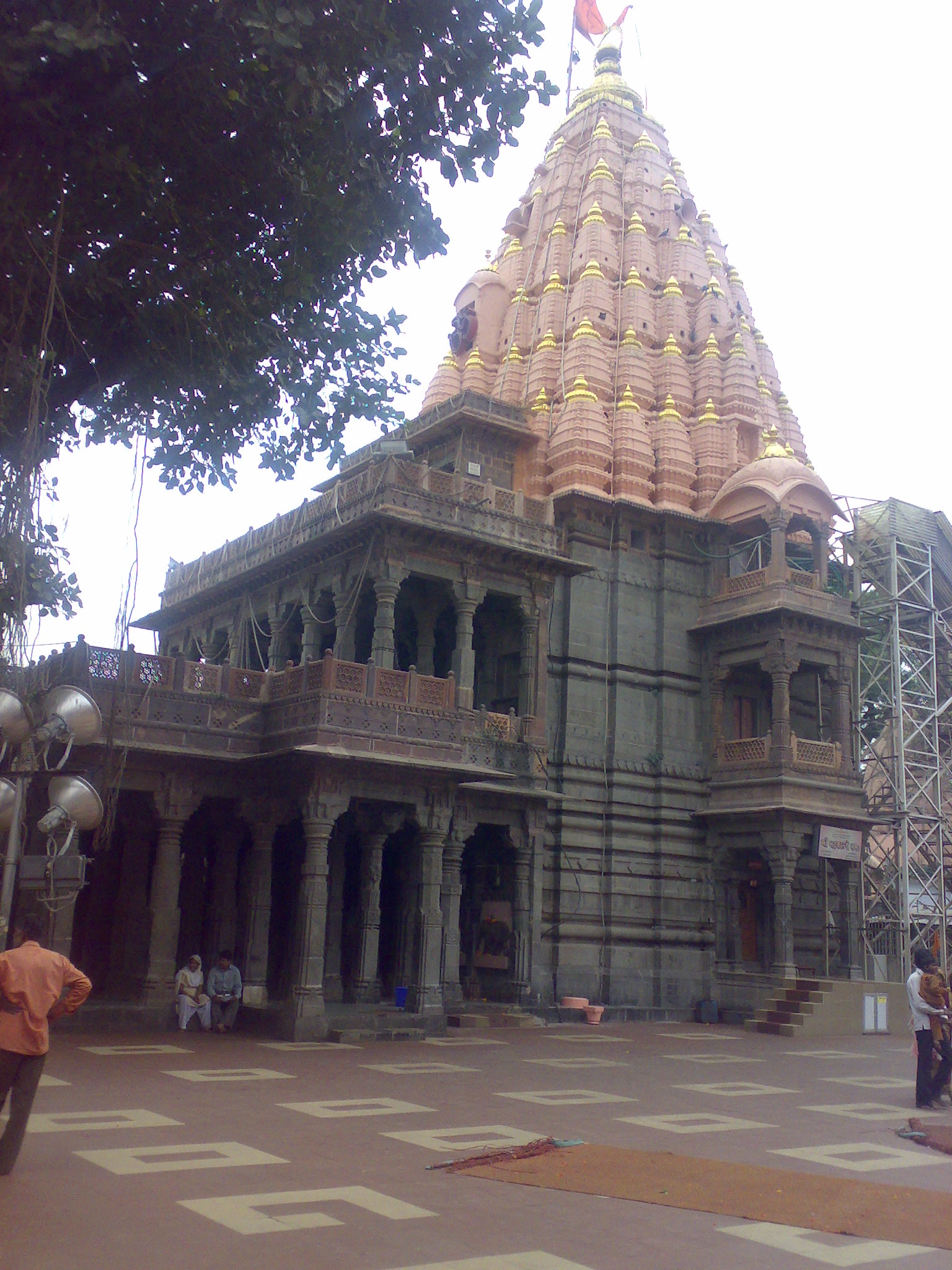
Mahakaleshwar Jyotirlinga
The heart of every Ujjain yatra. Many pilgrims visit Kal Bhairav right after Mahakal darshan.
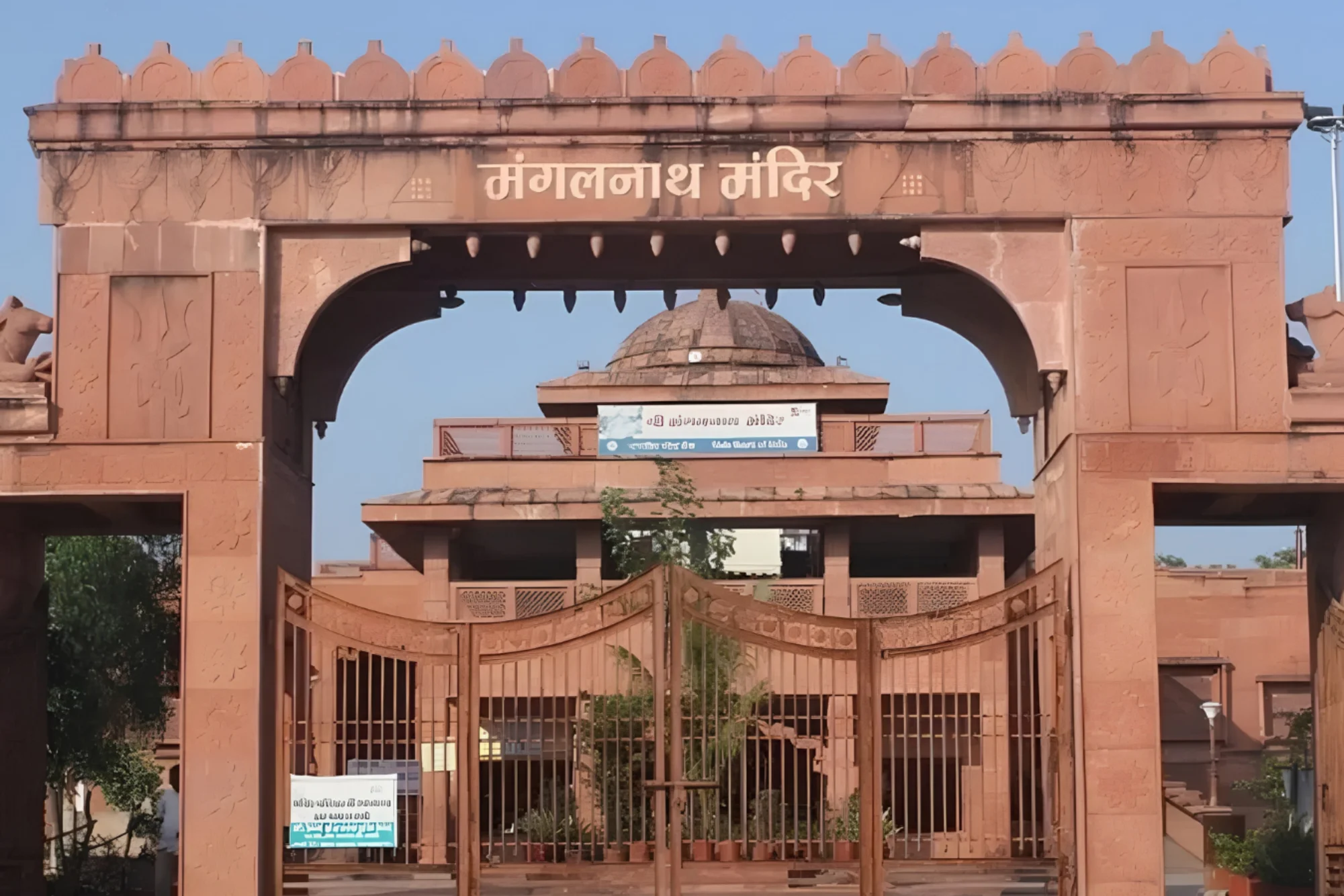
Mangalnath Mandir
Revered by devotees for Mangal Dosh shanti and Bhat puja.
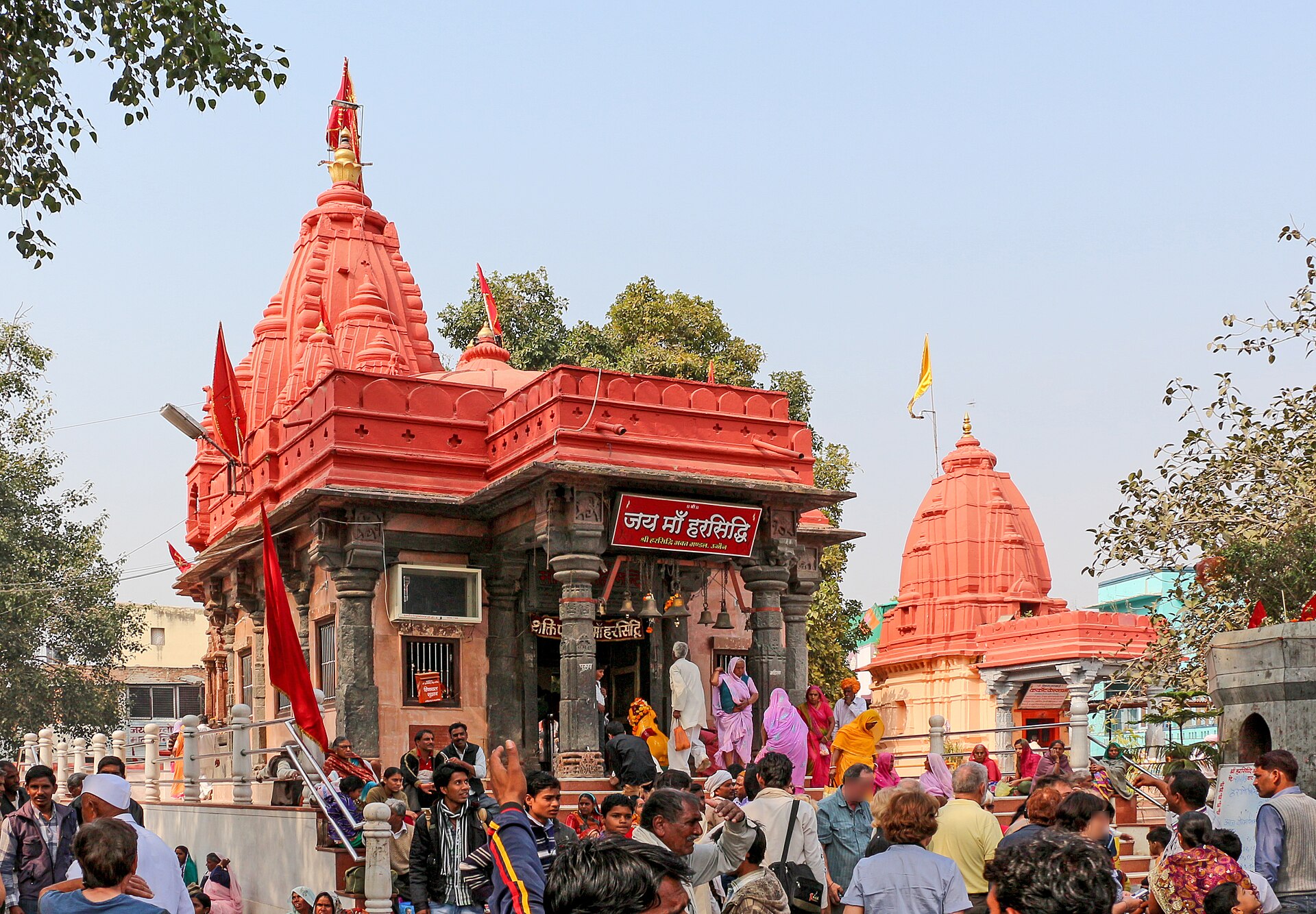
Harsiddhi Mata Mandir
A revered Shakti temple, a short walk from Mahakaleshwar.
Want a ready route? See our Ujjain temple tour itineraries for one-day and two-day plans.
- Before You Visit
Tips Before You Visit
- Go early on a weekday if you want a calmer darshan.
- Wear modest, comfortable clothes and remove footwear where instructed.
- Photography may not be allowed inside the sanctum. Ask first.
- Keep your phone and wallet secure in crowded queues.
- Carry water in summer. October to March is the most comfortable season to visit Ujjain.
- FAQs
Kal Bhairav Mandir Ujjain FAQs
Where is Kal Bhairav Mandir in Ujjain?
It is in Bhairavgarh, Ujjain, near the Kshipra River, about 4 km from the city centre and roughly 5–6 km from Mahakaleshwar by road.
Why is Kal Bhairav called the Kotwal of Ujjain?
In local belief, Kal Bhairav is the guardian (kotwal) who protects Ujjain, the city of Lord Mahakal. Many pilgrims visit him after Mahakaleshwar darshan.
Is liquor still offered at Kal Bhairav after the 2025 liquor ban?
Yes. The ban that began on 1 April 2025 stopped liquor sales in Ujjain, including the counters near the temple, but news reports said the traditional madira bhog continues under the temple committee’s arrangement. Ask the temple office about the current process.
Is it compulsory to offer liquor?
No. Flowers, coconut, sindoor, a diya, incense and sweets are all accepted offerings.
What are the Kal Bhairav Mandir timings?
The temple is commonly listed as open from about 6:00–6:30 AM to about 9:30 PM, with a morning and an evening aarti. Timings change on festivals, so confirm locally.
When is Kal Bhairav Ashtami in 2026?
Kal Bhairav Ashtami (Bhairav Jayanti) falls on Tuesday, 1 December 2026, on Margashirsha Krishna Ashtami.
Is there an entry fee?
No. General darshan is free. Be careful of anyone charging for special darshan outside official arrangements.
How much time do I need?
About 30–60 minutes on an ordinary day, and longer on Sundays, Ashtami and festivals.
Sources: District Ujjain, places of interest; news reports on the Madhya Pradesh liquor ban of 1 April 2025 (Aaj Tak, ANI, LatestLY); Kal Bhairav Temple, Ujjain. Timings are commonly published schedules, not official live data. Legends are presented as traditional belief. Last reviewed 7 November 2026.